What can an AI agent answer from an AIS API via an MCP server?
Claude, given live AIS data through an MCP server, counted tankers, dated anchorage waits and measured a storm backlog. Setup, tools and prompts.
Read more →
Maritime technology insights, tutorials, and API guides
Claude, given live AIS data through an MCP server, counted tankers, dated anchorage waits and measured a storm backlog. Setup, tools and prompts.
Read more →
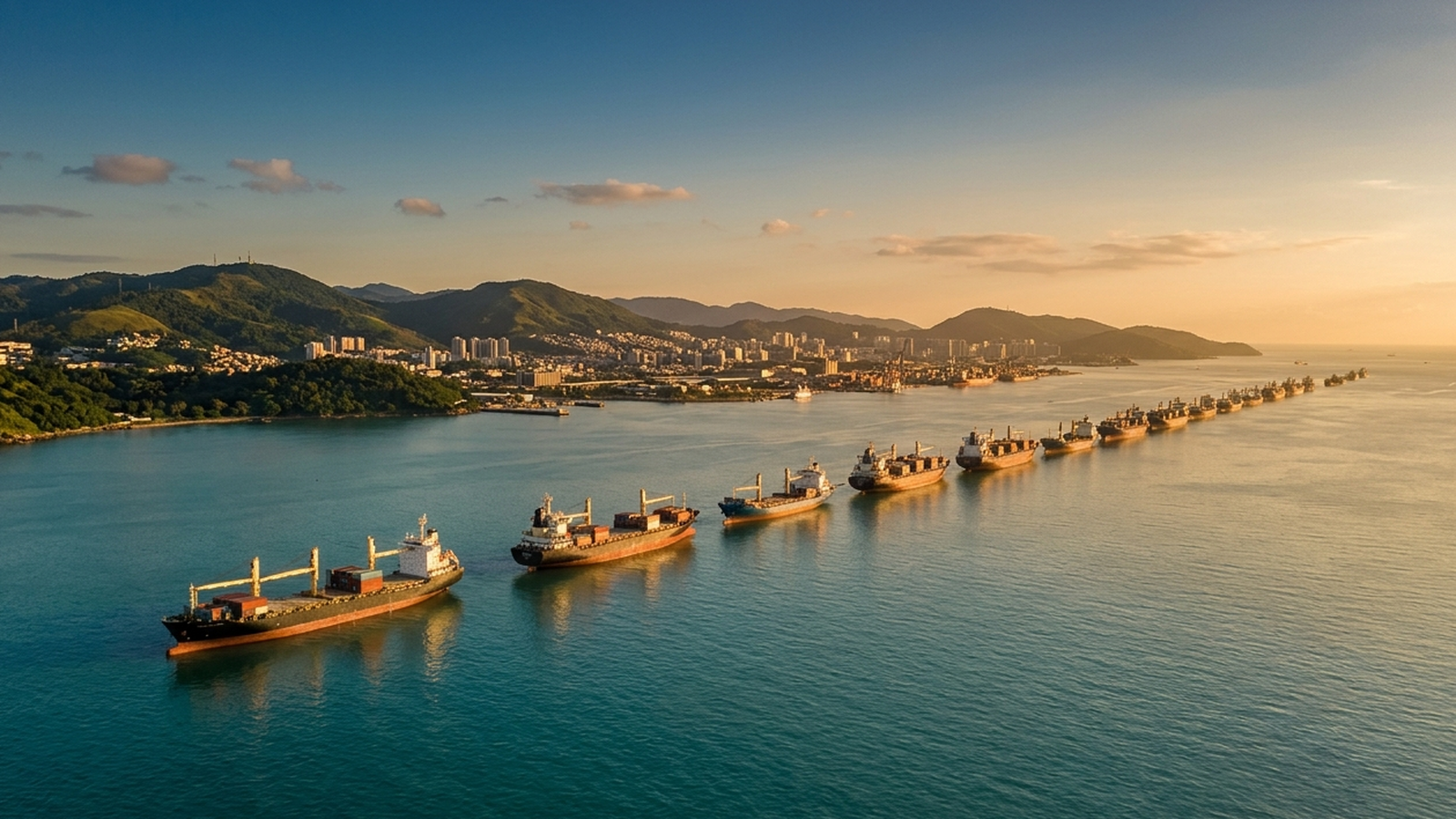
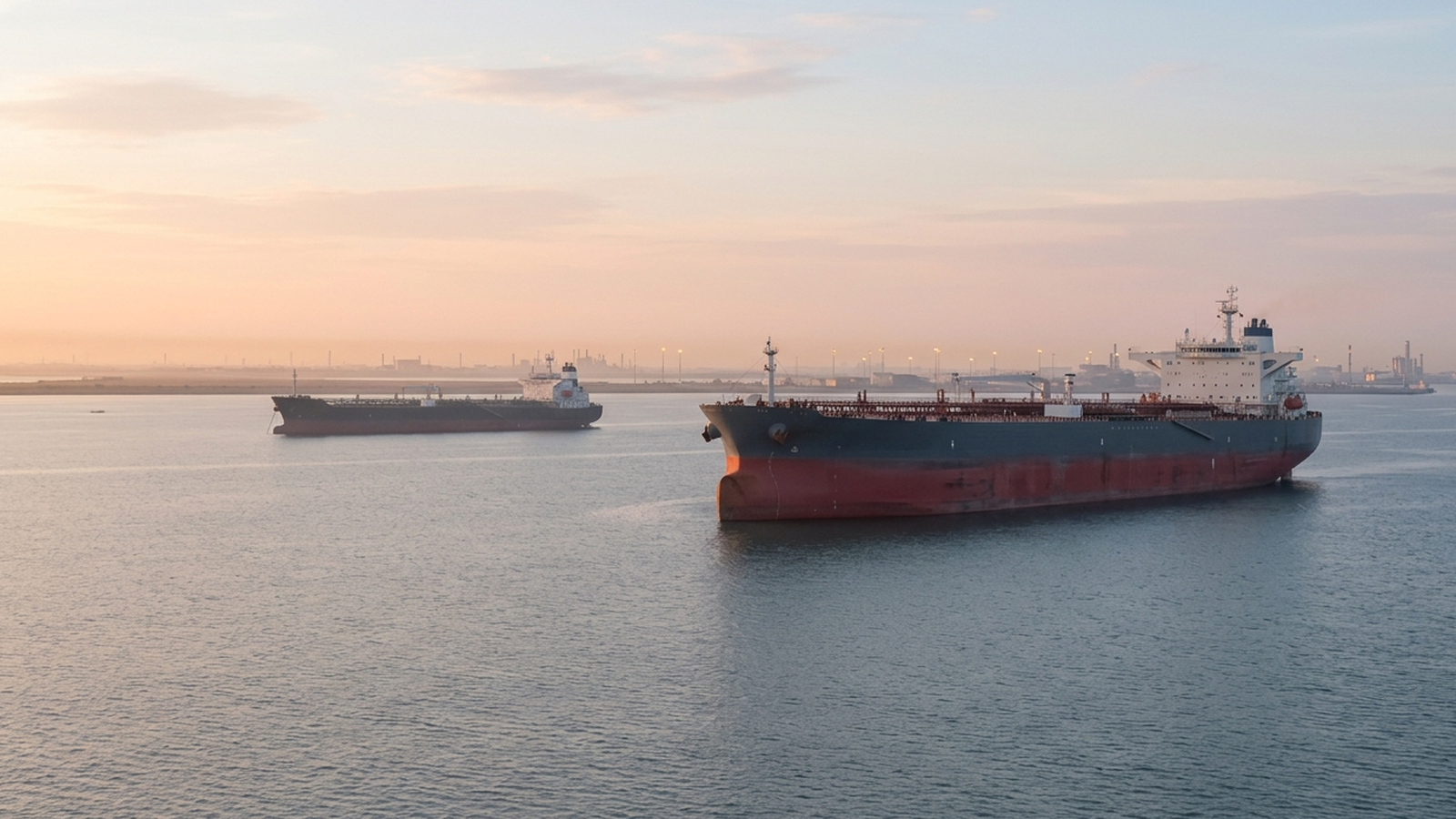
A week after Storm Austen, Claude counted 6 to 10 container ships at anchor off Rotterdam on 1 November 2026, most of them there a day or two.
Read more →
Four Claude runs counted 7 to 32 ships at Durban anchorage on 1 November 2026. One dated a wait of about 18 days. How each run worked.
Read more →
Claude checked US Gulf crude tankers at and due at Corpus Christi and Galveston on 1 November 2026 and read draughts to judge laden or ballast.
Read more →
Reshared with permission from Open Emission: how public EU MRV emissions data becomes more useful through peer benchmarking, operator scoring and year-on-year trend.
Read more →
On two TimescaleDB hypertables a lookup that found a row took 28 ms and one that found nothing took seconds. What caused it, what we changed over four days, and what is left.
Read more →
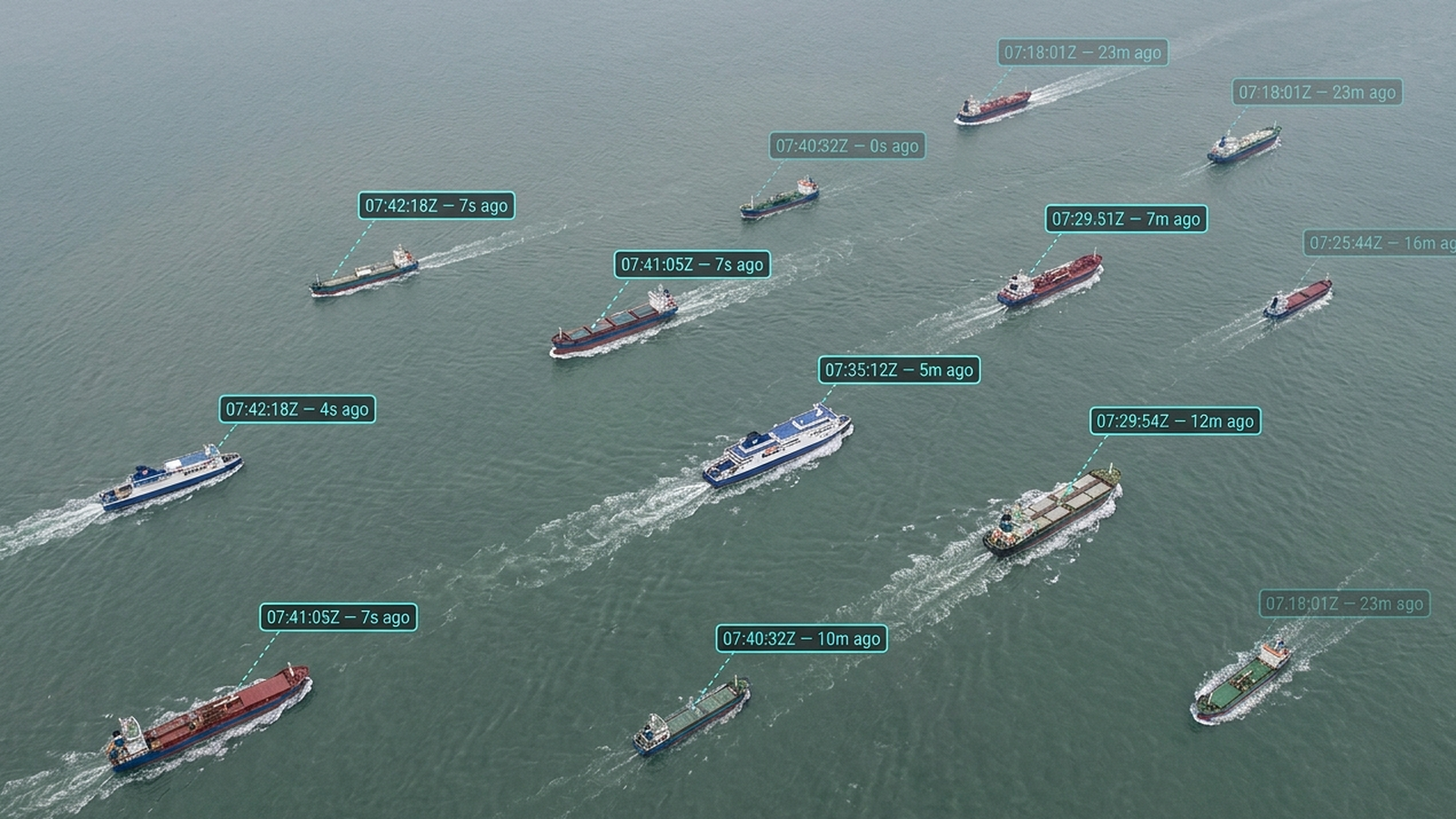
A practical tour of what "real-time" really means when you're tracking ships — the physics of AIS, the latency budget, and how to actually pull positions out of the VesselAPI.
Read more →Maritime email alerts and API-based vessel monitoring look like the same product wearing different clothes. They aren't. Here's what the difference actually costs you.
Read more →
A walk through what actually gets recorded when a ship enters a port, why the timestamps are weirder than you think, and how to query the data cleanly without getting burned.
Read more →How to build vessel geofence webhooks that actually fire when you want them to — AIS data quirks, debouncing, idempotency, and the small architectural decisions that separate a useful alert from a n...
Read more →